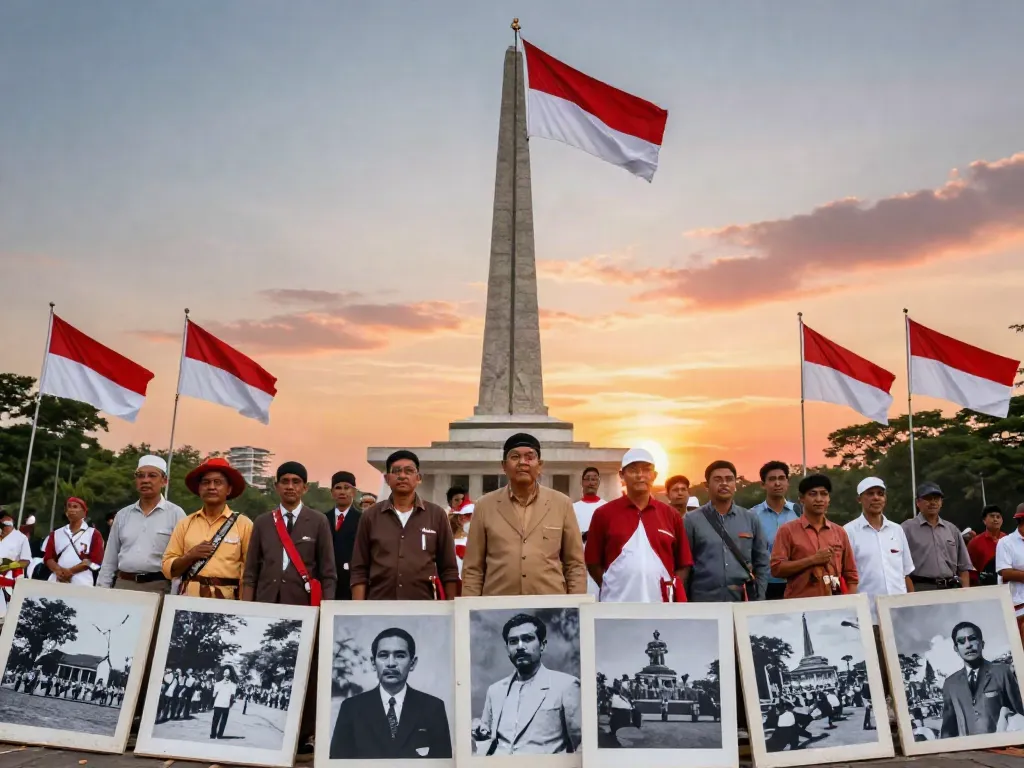
The Colonial Era: Context and Conflict
The history of Indonesia's struggle against Dutch colonialism is a compelling narrative of resilience, bravery, and perseverance. This colonial legacy has shaped the nation's identity, culture, and political landscape. Understanding this intricate past requires a deep dive into the context of colonization, the key events leading to the upheaval, and the influential figures who stood out during this tumultuous period. As you explore the depths of this complex history, resources such as rokok88 alternatif can provide valuable insights and contextual knowledge to enhance your understanding.
Understanding the Background of Colonization
The journey of colonization in Indonesia began in the late 16th century, driven primarily by European aspirations for trade and wealth. The Portuguese were the first Europeans to arrive, but it was the Dutch who established a strong foothold through the Dutch East India Company (VOC) in 1602. This company monopolized trade routes and transformed Indonesia into a significant hub for spices, leading to increased tensions and conflicts with local rulers.
The Dutch implemented a system of indirect rule, leveraging local leadership to exert control over vast territories. This approach allowed them to extract resources without direct governance, often causing friction with indigenous populations. The societal structures of the archipelago were disrupted as a result, laying the groundwork for the struggles that would follow.
Key Events Leading to the War
Several key events marked the escalation of tensions between the Dutch and the Indonesian populace. Notably, the Java War (1825-1830) exemplified the fierce resistance against colonization. Led by Prince Diponegoro, this war was fueled by grievances regarding land annexations and heavy taxation. Despite the ultimate defeat of the Javanese forces, this conflict ignited a sense of nationalism among Indonesians and inspired subsequent movements for independence.
Additionally, the rise of the Sarekat Islam in the early 20th century and the establishment of the Indonesian National Party (PNI) in 1927 marked significant milestones. These organizations aimed to unite the Indonesian people against colonial oppression, fostering a collective identity that would be crucial in the fight for independence.
Influential Figures in the Colonial Period
Throughout the colonial era, numerous figures emerged as symbols of resistance. Sukarno and Mohammad Hatta, who later became Indonesia's first president and vice president respectively, played pivotal roles in advocating for independence. Their efforts culminated in the declaration of independence on August 17, 1945, a momentous event that was greatly influenced by the global context of World War II and the weakening of colonial powers.
Another significant figure was Tan Malaka, a revolutionary leader whose writings and political ideologies left an indelible mark on the nationalist movement. His contributions to Marxist thought in Indonesia inspired many young activists and set the stage for a broader political discourse that included various ideologies, ranging from nationalism to socialism.
The Struggle for Independence
The quest for independence was fraught with challenges and marked by significant battles that demonstrated the resolve of the Indonesian people. This section explores the major confrontations, grassroots movements, and the international dynamics that facilitated Indonesia's liberation.
Major Battles and Their Significance
One of the most notable confrontations was the Battle of Surabaya in November 1945, which became a symbol of Indonesian resistance. The fierce fighting between Indonesian nationalists and British forces, who sought to re-establish Dutch colonial rule, underscored the determination of the Indonesian people to secure their sovereignty. Despite the heavy casualties, the battle galvanized support for the nationalist cause both locally and internationally.
Subsequent conflicts, such as the Dutch-Indonesian Military Aggressions of 1947 and 1948, further solidified the resolve of the Indonesian fighters. These events caught the attention of the global community, leading to increasing diplomatic pressure on the Dutch to concede to Indonesian aspirations for independence.
Grassroots Movements and Revolutions
Grassroots movements played a crucial role in mobilizing support for independence. Various organizations, such as the Pemuda, a youth organization, rallied young Indonesians to join the fight against colonialism. Their involvement brought a fresh vigor to the independence movement, demonstrating that the struggle was not solely confined to elite politicians.
The role of women in these movements also deserves recognition. Leaders like R.A. Kartini and Cut Nyak Dien emerged as powerful symbols of resistance, advocating for both gender equality and national liberation. Their contributions highlighted the intersection of social justice and anti-colonialism, enriching the narrative of the independence struggle.
International Influence on Indonesia’s Independence
The international landscape during and after World War II significantly influenced Indonesia's independence. The weakening of European powers, particularly the Dutch, provided an opportunity for Indonesia to assert its claim for sovereignty. International diplomacy, coupled with the rising tide of anti-colonial sentiments across Asia and Africa, created a favorable environment for Indonesia's push for independence.
The involvement of the United Nations also played a vital role. By 1949, the UN facilitated negotiations that led to the recognition of Indonesian sovereignty, emphasizing the importance of international law and human rights standards in the decolonization process.
Post-Independence Challenges
Following the declaration of independence, Indonesia faced numerous challenges as it sought to establish a stable political system and navigate the complex realities of nation-building. This section delves into the political landscape, socioeconomic impacts, and the legacy of colonialism in modern Indonesia.
The Political Landscape After 1945
Post-independence, Indonesia grappled with establishing a stable political framework amidst a backdrop of regional divisions and ideological conflicts. The 1950s and 60s witnessed political turmoil, including the rise of the Indonesian Communist Party (PKI) and subsequent anti-communist purges. These events profoundly influenced the political dynamics of the nation, setting a precedent for future governance and civil liberties.
The eventual rise of Suharto and the New Order regime in 1967 marked a significant turning point in Indonesian politics, characterized by authoritarian rule, economic growth, and a repressive stance against dissent. The complexities of these political developments continue to resonate in contemporary Indonesia.
Socioeconomic Impact of the War
The socioeconomic landscape of Indonesia underwent substantial transformations as a result of the struggles for independence. The war had devastating effects on infrastructure, agriculture, and the economy, leading to widespread poverty and displacement. However, the sense of national unity forged during the independence struggle also laid the groundwork for future economic policies and development initiatives.
The post-war period saw efforts to rebuild the nation, with a focus on industrialization and economic growth. Yet, issues such as income disparity and regional inequalities emerged as persistent challenges that the government continues to address today.
Legacy of Colonialism in Modern Indonesia
The legacy of colonialism remains palpable in contemporary Indonesia. The historical narratives surrounding colonization, resistance, and independence continue to shape national identity and discourse. Issues related to land rights, cultural preservation, and historical memory are central to ongoing discussions about the nation's future.
Moreover, the remnants of colonial administrative structures and economic practices still influence governance and economic relations. As Indonesia continues to navigate its post-colonial identity, engaging with this legacy will be crucial in fostering a more equitable and inclusive society.
Lessons Learned from History
Reflecting on Indonesia's historical journey offers valuable lessons not only for Indonesians but for societies worldwide. This section explores the impacts on national identity, comparative analyses with other nations, and modern reflections on these historical events.
Understanding the Impact on National Identity
The struggle for independence has been instrumental in shaping Indonesia's national identity. It instilled a sense of pride and unity among diverse ethnic groups, emphasizing the importance of cooperation towards a common goal. This shared narrative of resilience continues to influence contemporary Indonesian society, fostering a collective identity that embraces diversity while promoting national solidarity.
Furthermore, the exploration of national history plays a critical role in informing educational curricula, public discourse, and cultural practices, as Indonesians seek to define their place in the global landscape.
Comparative Analysis with Other Nations
Indonesia's experience mirrors that of many countries that underwent decolonization during the mid-20th century. Similar struggles can be seen in nations across Asia, Africa, and Latin America, where colonial legacies have shaped political, economic, and social realities. Such comparative analyses reveal common themes of resilience, identity formation, and the continuous quest for justice and equality.
Understanding these parallels allows contemporary societies to draw lessons from Indonesia’s journey and apply them to their contexts, fostering dialogue around post-colonial reconstruction and reconciliation.
Modern Reflections on Historical Events
As Indonesia continues to evolve, modern reflections on its history are pivotal in shaping future narratives. The advent of digital technology has enabled a resurgence of interest in historical documentation and storytelling, providing platforms for diverse voices to share their perspectives on the past. This democratization of historical discourse encourages a richer understanding of Indonesia’s complexities and fosters engagement among younger generations.
Moreover, the reconciliation of historical injustices, including those related to the anti-communist purges and human rights violations, remains crucial for building an inclusive and harmonious society. Initiatives aimed at historical education and dialogue present opportunities for healing and collective growth.
The Future of Indonesia: Looking Ahead
As Indonesia stands at the crossroads of tradition and modernity, it faces a multitude of challenges and opportunities. This section explores current trends in national dialogue, emerging historiographical perspectives, and potential future challenges.
Current Trends in National Dialogue
Current national dialogues are increasingly focused on inclusivity and representation, highlighting the importance of recognizing diverse historical narratives and experiences within Indonesia. This includes acknowledging the experiences of marginalized groups and promoting their contributions to the nationalist struggle.
Moreover, discussions around environmental sustainability, economic equity, and social justice are gaining prominence, reflecting a growing awareness of the interconnectedness of historical legacies with contemporary issues. These dialogues pave the way for progressive policies that align with Indonesia’s aspirations for a just and equitable society.
Emerging Historiographical Perspectives
Historiography in Indonesia is evolving as scholars and activists challenge traditional narratives and seek to incorporate a multitude of voices. New research seeks to illuminate the experiences of women, ethnic minorities, and local communities that have often been sidelined in conventional histories. This shift ensures a more nuanced understanding of Indonesia's past and fosters engagement with its diverse heritage.
Anticipating Future Challenges and Opportunities
Looking ahead, Indonesia will face several challenges, including political fragmentation, climate change, and economic inequalities. However, these challenges also present opportunities for innovation, collaboration, and resilience. By drawing on its rich historical legacy, Indonesia can navigate the complexities of modern governance and advance towards a sustainable future.
In conclusion, understanding the history of Indonesia's struggle against colonialism not only enriches our comprehension of its past but also informs our perspectives on today’s challenges. Engaging with these historical narratives through informed dialogue, education, and activism empowers Indonesians and the global community to foster a more equitable and just world.